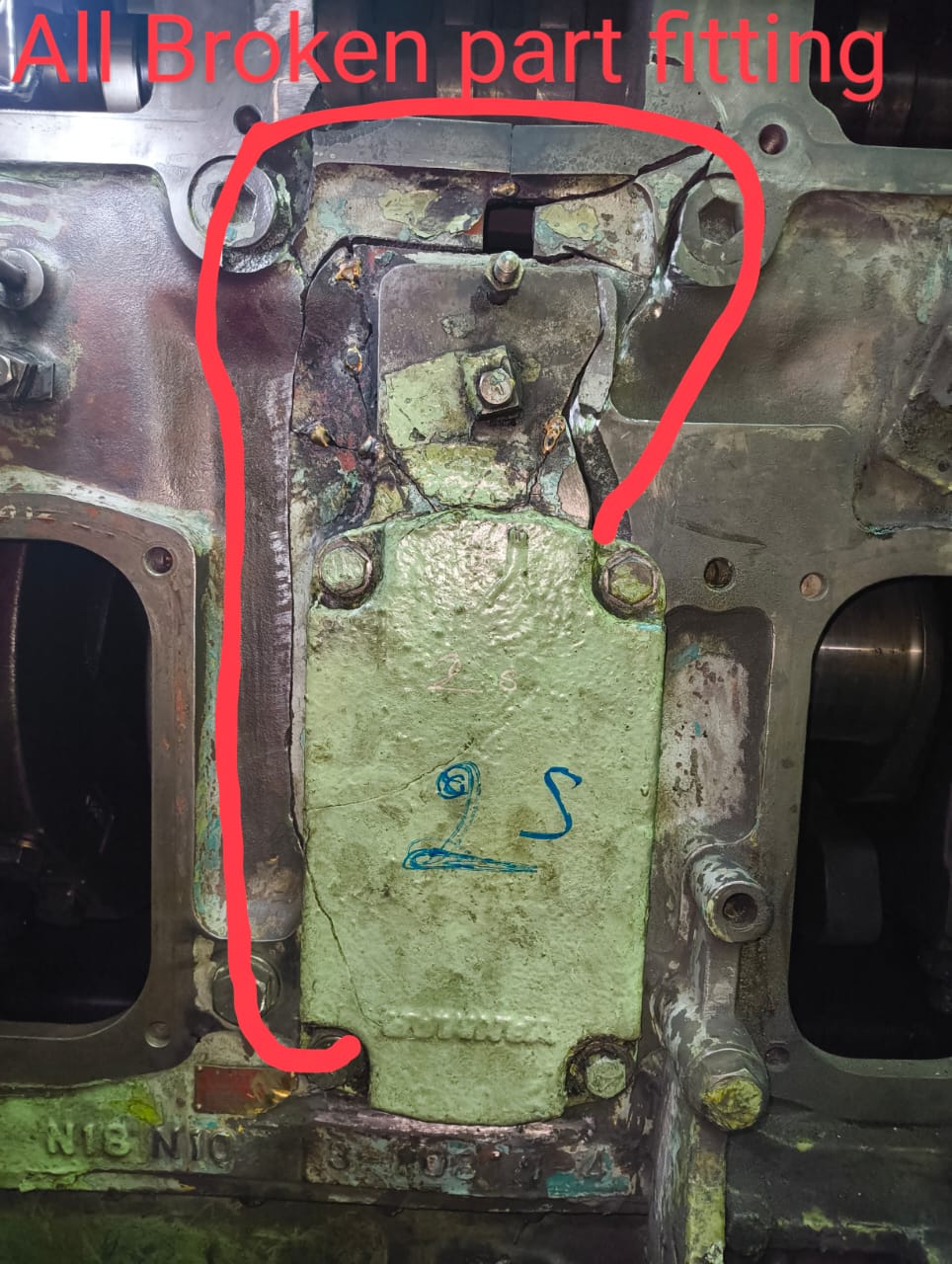
Cracks in industrial equipment, engine blocks, or heavy machinery can lead to expensive downtime and replacements if not handled properly. Traditional welding methods may not be the best choice, as the intense heat can cause further damage or weaken the materials. This is where metal stitching—a cold repair technique—emerges as an excellent alternative. At RA Power Solutions, we specialize in this method, delivering durable and efficient repairs without the risks associated with welding.
What is Metal Stitching?
Metal stitching, also known as metal locking, is a cooling method used to mend cracks or fractures in components made of cast iron, steel, or aluminum. Since it doesn’t involve heat, metal stitching helps avoid additional stress on the damaged areas. Various industries, including marine, power generation, and manufacturing, widely adopt this technique.
The Advantages of Metal Stitching Compared to Welding
- No Heat Damage: Eliminates the risk of further cracks, distortion, and stress on the material.
- Restores Original Strength: Helps the component regain its structural integrity.
- Cost-Effective: Saves money by avoiding costly replacements and minimizing downtime.
- Portable Solution: Our technicians can conduct repairs onsite without disassembling the machinery.
- Environmentally Friendly: Produces no emissions or hazardous effects, unlike welding procedures.
RA Power Solutions: Your Metal Stitching Experts
With decades of experience, RA Power Solutions provides expert onsite metal stitching services for a variety of industries around the globe. Our skilled technicians utilize advanced stitching tools and metal locks to repair cracks effectively, regardless of size.

Key Advantages of Our Metal Stitching Services:
- We offer onsite crack repairs for heavy machinery, engine blocks, and other similar items.
- Precise stitching methods that restore both functionality and durability.
- Quick service that minimizes your operational downtime.
- Services are available for marine engines, turbines, compressors, and other heavy-duty equipment.
Crack Repair Process With 4 Decades Of Expertise
- Inspection & Assessment: We thoroughly examine the damaged area to assess the extent of the crack.
- Drilling & Stitching: The team performs precision drilling along the crack and inserts metal stitching keys.
- Metal Locking: Technicians use special locks and pins to strengthen the repair and ensure reliability.
- Finishing & Testing: We polish the repaired area and conduct stress tests to confirm its durability.
Applications of Metal Stitching
- Marine Industry: Repairs for ship engine blocks and cylinder heads.
- Power Plants: Restoration of turbine casings, pumps, and compressors.
- Heavy Equipment: Fixing industrial machinery parts and manufacturing units.
Metal stitching from RA Power Solutions is a tested and effective method for efficiently and affordably restoring cracked components. Whether you have a small crack or need significant structural repair, our team is dedicated to delivering high-quality restoration without the complications of welding. If you are in need of professional crack repair services, don’t hesitate to reach out to RA Power Solutions for a dependable, long-lasting solution.
For a detailed repair process of damaged casting by metal locking, damaged engine block, metal stitching, broken engine block repair, onsite engine repair services worldwide, and metal surgery, please email us at rajshahani@rapowersolutions.com, or info@rapowersolutions.com, or call us at +91 9582647131 or +91 9810012383.
FAQs
Answer: Metal stitching—also known as metal locking—is a non‑heat, cold repair process used to mend cracks in cast iron, steel, or aluminium. Technicians drill and interconnect holes along the crack, insert metal “keys” and stud locks, and then grind them flush. This restores the component to its original structural strength without heat damage.
Answer: Metal stitching avoids the heat-related issues of welding—such as distortion, new cracks, or weakened material. It restores original strength, is cost-effective, can be performed on-site, and is environmentally friendlier—producing no weld emissions.
Answer: This method works well on components like engine blocks, turbine casings, pump housings, compressors, and heavy industrial or marine equipment. It’s widely used in marine engineering, power generation, manufacturing, turbines, pumps, compressors, and heavy-machinery applications .
Answer: While exact durations depend on crack size and complexity, most jobs can be completed swiftly—often within days, not weeks. Since it’s a cold process, repairs can be done in situ (on-site) without disassembling machinery, minimizing downtime .
Answer: Yes. The repaired component can regain its original strength and reliability. The method creates a pressure-tight, fully structural restoration, passing stress and performance tests to match the integrity of a new part .