Crankshafts are one of the most important parts of big engines that power ships, power plants, and heavy machines used in industry. When a crankshaft wears out, breaks, or is out of alignment, the engine doesn’t work as well and could even stop working completely. In the past, fixing a broken crankshaft entailed taking apart the whole engine and bringing it to a shop that specializes in that kind of work.
But modern engineering has come up with a much better way to do it: onsite crankshaft grinding.
This sophisticated method lets specialists fix and restore crankshafts right at the installation site, without having to take them out of the engine. For businesses that lose a lot of money when they have to stop working, onsite repair has become the best choice.
What Is Onsite Crankshaft Grinding?
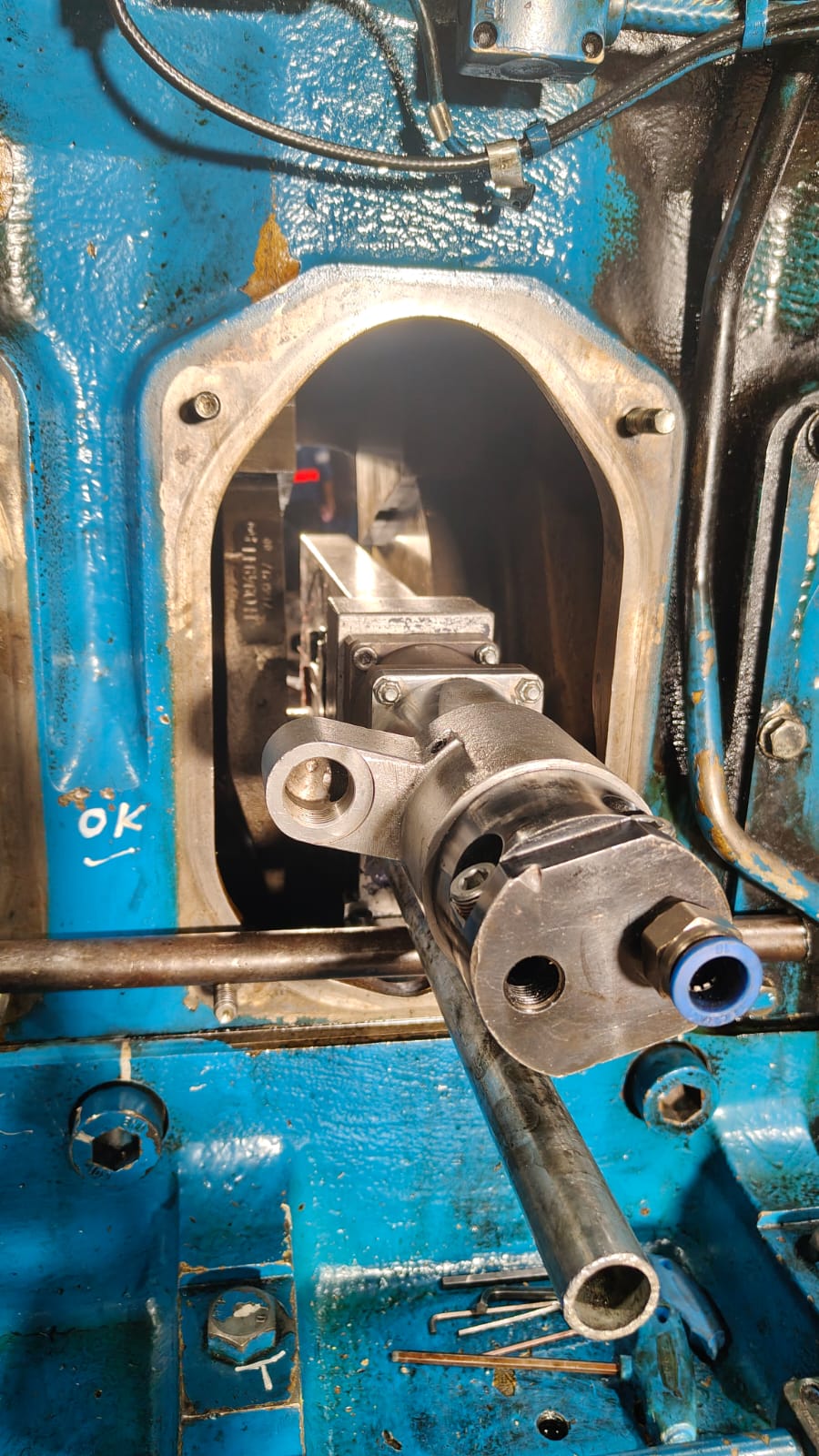
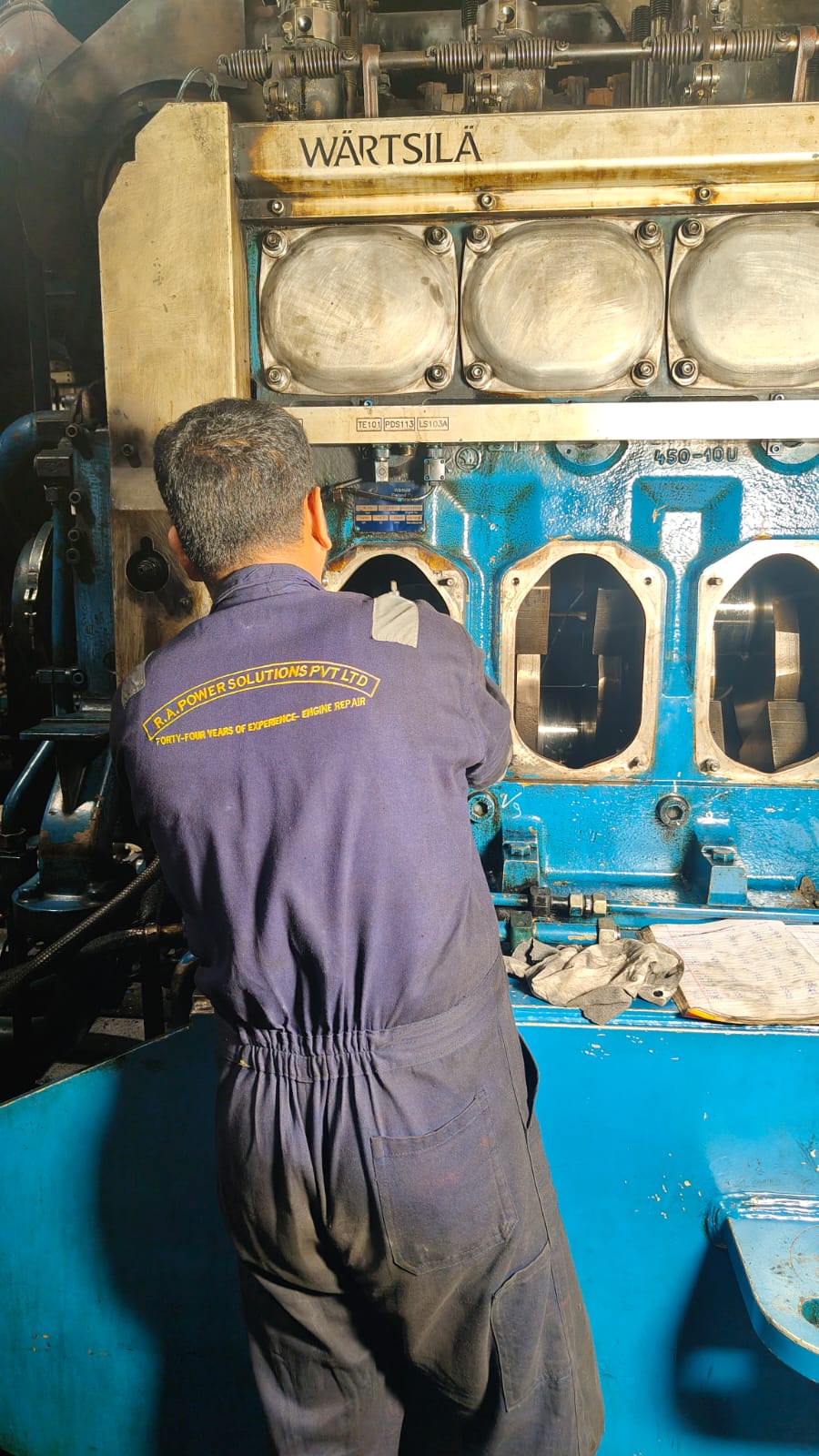
Onsite crankshaft grinding, also called in situ crankshaft grinding, is a precise machining method that fixes worn or broken crankshaft journals right in the engine block. Technicians bring portable grinding tools directly to the site where the engine is installed, eliminating the need to remove the crankshaft and transport it to a machine shop. Technicians mount the grinding equipment directly on the engine and precisely restore the crankshaft journal surfaces to the required size and finish without moving the crankshaft.
Marine shipping and ship maintenance are among the primary industries that widely use onsite crankshaft grinding, as it enables faster repairs and significantly reduces vessel downtime. Ships and offshore equipment must remain operational, and removing a crankshaft for workshop repair can delay operations for several days or even weeks.
Several other industries also widely use this advanced repair method, including:
- Power generation plants
- Oil and gas installations
- Heavy industrial manufacturing
- Mining and construction equipment
Because of its efficiency, cost-effectiveness, and ability to minimize operational interruptions, onsite crankshaft grinding has become an essential maintenance solution for large engines across these industries.
Why Do Crankshafts Require Grinding?
When the engine is running, the crankshaft journals are always under a lot of stress and friction. Over time, some problems may arise, including:
- Problems with bearings
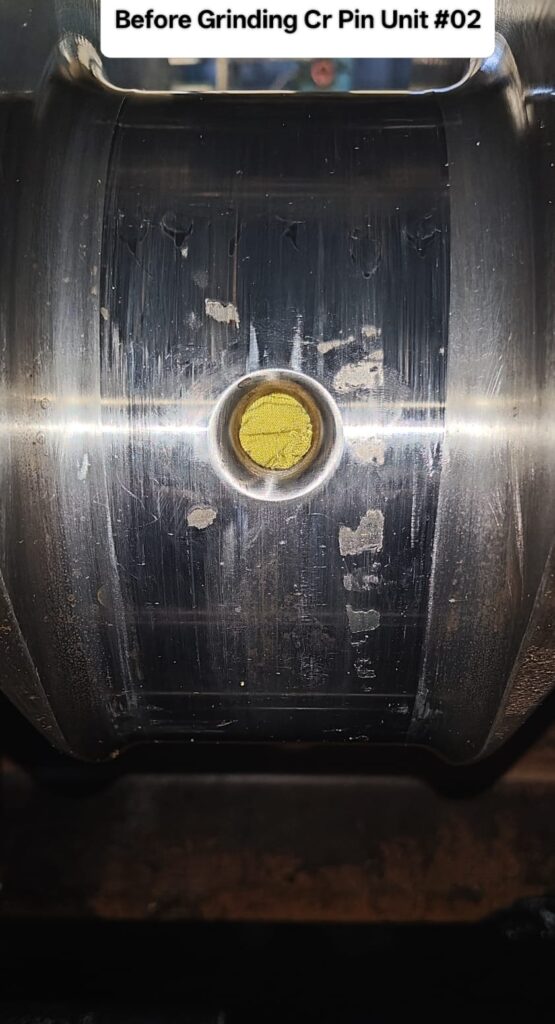
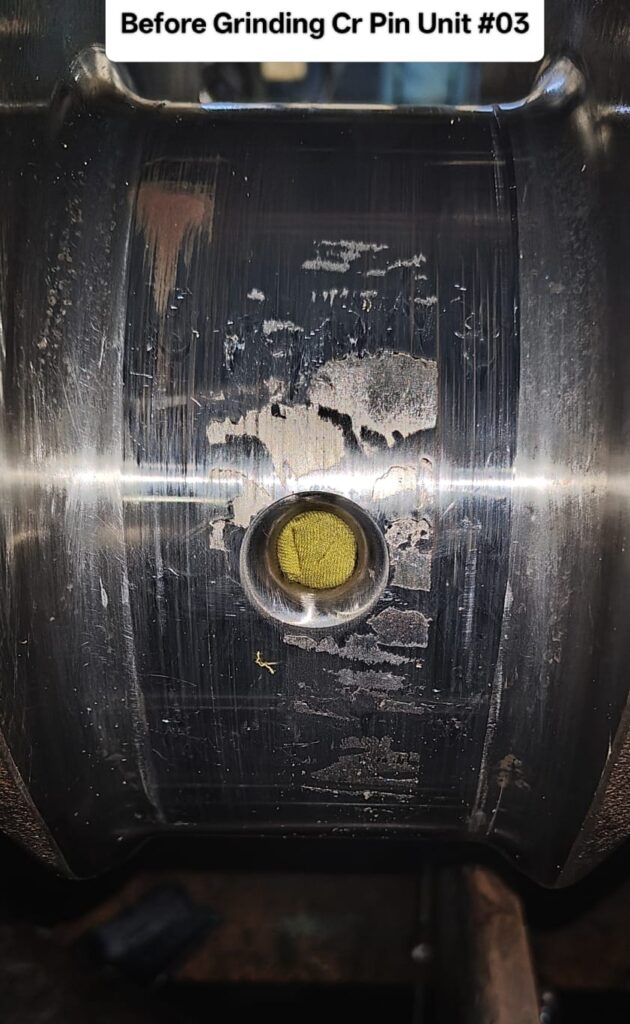
- Wear or scoring on the surface
- Damage from becoming too hot
- Crankshaft journals that are out of alignment
- Failure of lubrication
Engineers grind and polish the crankshaft surface to maintain smooth engine performance when these problems occur.
Why Industries Prefer Onsite Crankshaft Grinding
No need to take apart the engine
Taking off a crankshaft from a big engine can be hard and take a long time. It often means taking the whole engine apart, using special lifting tools, and moving it to a workshop.
Onsite grinding gets rid of this step by letting repairs be done right in the engine.
1. A big drop in downtime
A few hours of downtime can cost shipping and power generation companies a lot of money. Onsite crankshaft grinding allows repairs to be completed quickly, minimizing operational disruptions.
Engineers repair ships while they are docked or even while sailing, allowing operators to restore engine performance quickly and return the vessel to service faster.
2. Saving Money
It takes a lot of work to fix a crankshaft the old-fashioned way, including moving it, working in a shop, and taking it apart. These factors increase repair costs significantly.
Onsite machining cuts out a lot of these costs, making it a much cheaper choice.
3. Repair with High Precision
Modern portable grinding machines can give very precise results. The grinding procedure restores crankshaft journals to exact tolerances, ensures proper alignment, and creates a smooth surface. This level of accuracy ensures that the engine operates properly after the repair.
4. Works great for crankshafts that are big and heavy
Crankshafts on big marine engines and industrial machinery can weigh several tons. Moving these parts can be challenging.
Grinding on site lets you fix these big parts without relocating them.
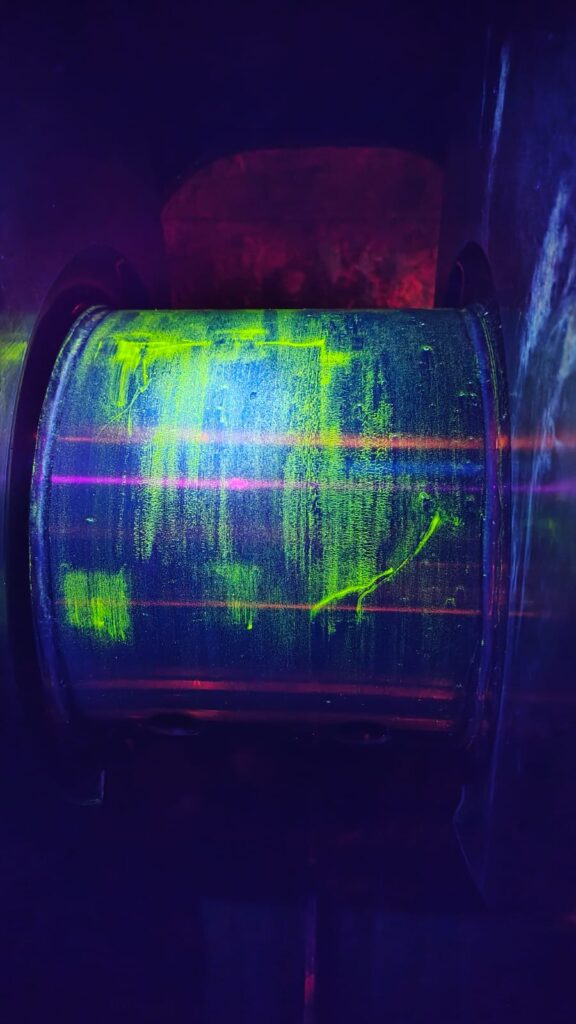
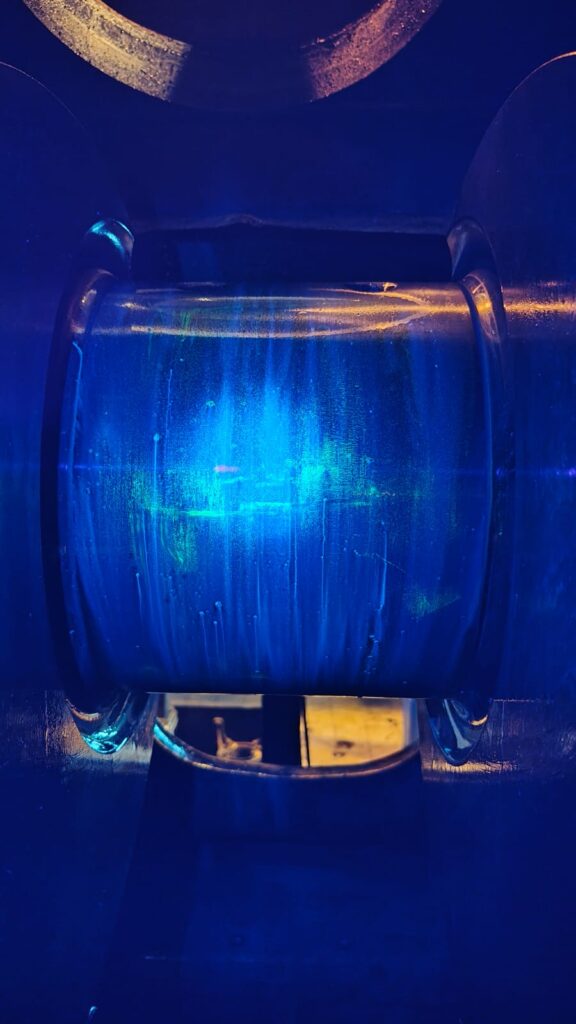
How the Onsite Crankshaft Grinding Process Works
Step 1: Look at and measure
Engineers start by carefully looking at the crankshaft journals using precise measuring tools. They check for wear, taper, and ovality to see how bad the damage is.
Step 2: Install the machine
A portable crankshaft grinding machine is set up right on the engine block. To make sure the grinding is exact, the machine is lined up with the crankshaft journal.
Step 3: Grinding with precision
Technicians slowly grind the damaged journal surfaces to achieve the correct size and finish. They perform the grinding process carefully to maintain perfect alignment.
Step 4: Finishing and polishing
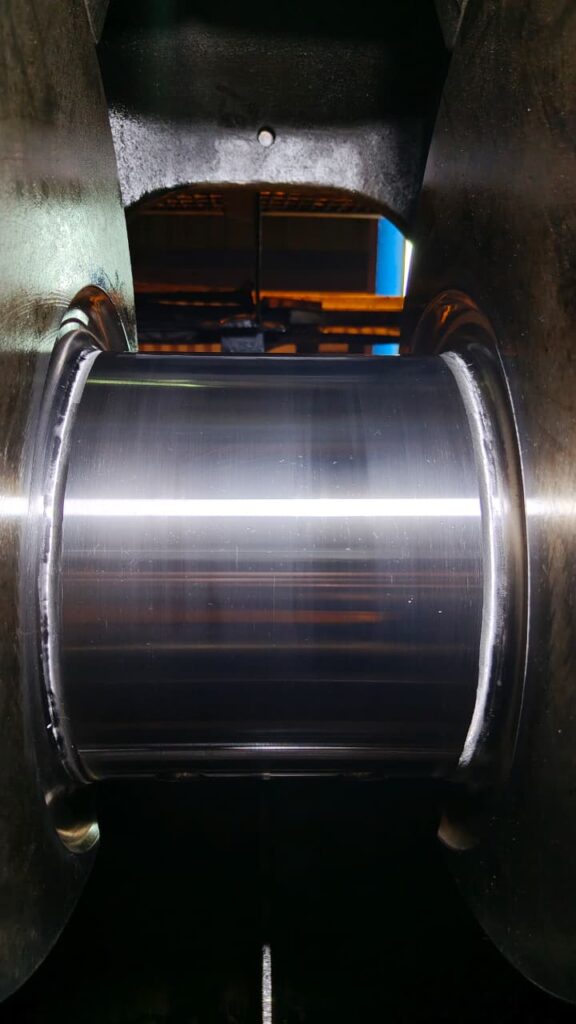
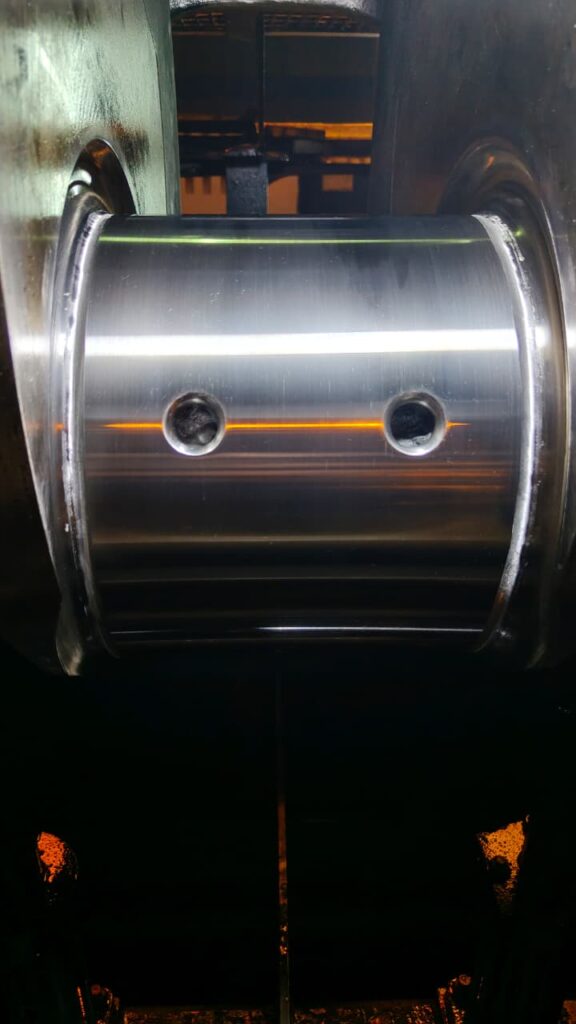
The polished surface of the journal is smooth after grinding. This step is essential for the bearings to work right and the engine to last a long time.
Step 5: The Last Check
After grinding and polishing, technicians measure the crankshaft journals again to confirm that they remain within acceptable tolerances.
Advantages of Onsite Crankshaft Grinding
Because it has many key benefits, industries all over the world rely on onsite crankshaft repair:
- Faster time to fix
- Less money spent on maintenance
- You don’t have to take off the crankshaft.
- Little time when the engine is down
- Machining with high precision
- Longer engine life
These benefits make onsite grinding an important service for keeping big engines running in maritime and industrial settings.
Applications of Onsite Crankshaft Grinding
This way of fixing things is very common in:
- Marine diesel engines
- Generators for power plants
- Tools for drilling offshore
- Compressors for industry
- Tools for mining
- Heavy machinery for building
Onsite grinding technique can help any big engine with a broken crankshaft
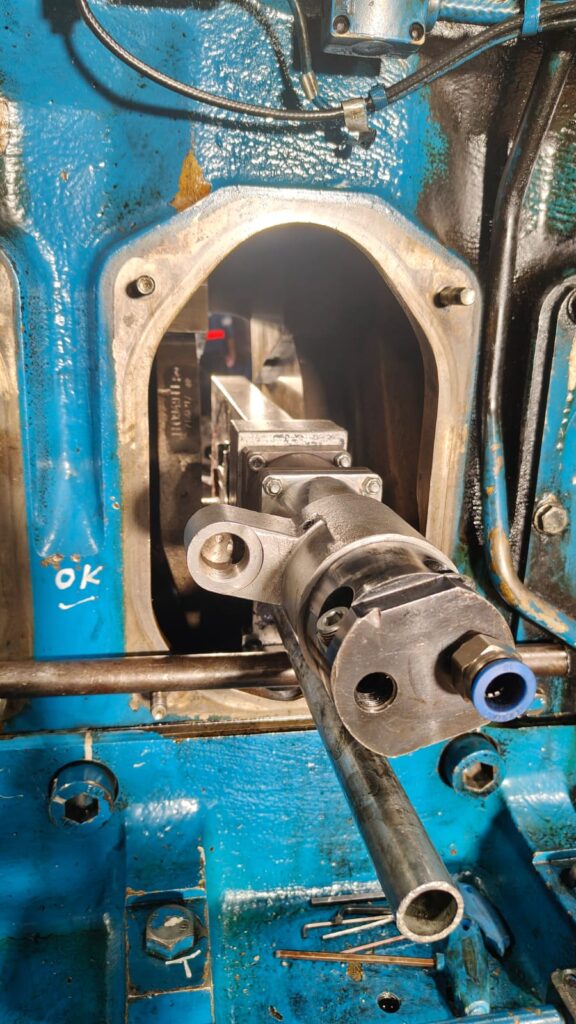
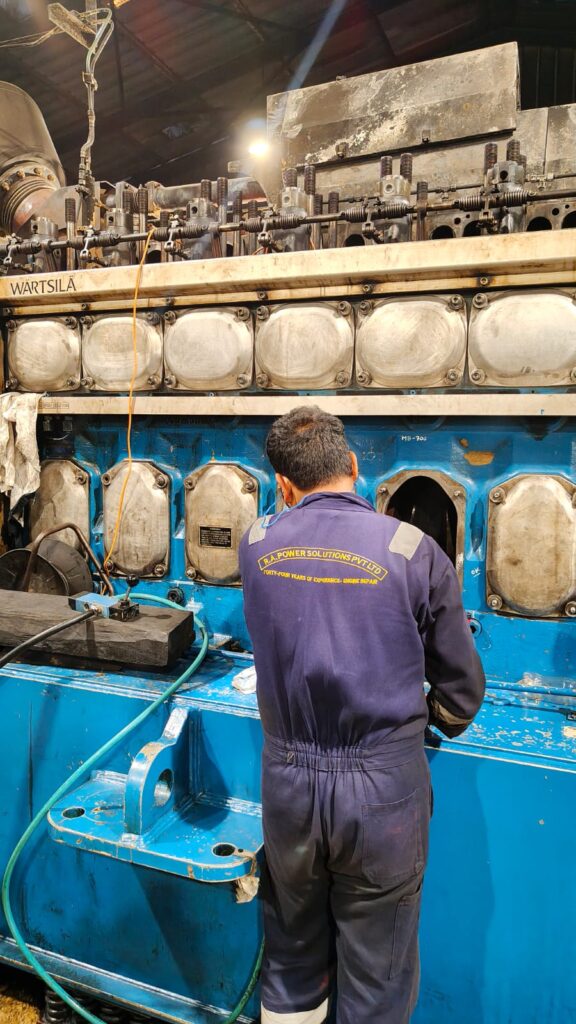
Tanzania’s Onsite Crankshaft Grinding Services
With the rapid growth of the maritime and industrial sectors in Tanzania, the demand for reliable engine maintenance and crankshaft repair services has increased significantly. Major ports such as Dar es Salaam, Zanzibar, and Mtwara handle a large number of commercial vessels, cargo ships, and offshore service equipment that depend heavily on high-performance marine engines. Specialized technicians provide onsite crankshaft grinding services directly at these ports and industrial facilities to support these operations. By performing crankshaft repair and in-situ machining at the location of the vessel or power plant, engineers can restore damaged crankshaft journals without removing the crankshaft from the engine. This approach significantly reduces downtime for shipping companies and industrial operators in Tanzania while ensuring engines return to service quickly and safely.
For more information regarding crankshaft grinding services, please contact us at rajshahani@rapowersolutions.com or info@rapowersolutions.com or call us at +91 9582647131 or +91 9810012383.
FAQs
Onsite crankshaft grinding is a repair process in which technicians machine and restore damaged or worn crankshaft journals directly on the engine without removing the crankshaft. Technicians use portable grinding machines to perform precision grinding at the installation site, making the process a fast and efficient solution for marine engines, power plants, and industrial equipment.
Industries prefer onsite crankshaft grinding because it eliminates the need to dismantle the engine and transport the crankshaft to a workshop. This significantly reduces downtime, lowers repair costs, and allows machinery such as marine engines and generators to return to operation quickly.
Onsite crankshaft grinding is widely used in industries that operate large engines and heavy machinery. These include marine shipping, power generation plants, oil and gas installations, mining equipment, and heavy manufacturing industries.
The time required for onsite crankshaft grinding depends on the extent of crankshaft damage and the number of journals that need repair. In many cases, the process can be completed within a few hours or a few days, which is much faster than traditional workshop repairs.
Yes, onsite crankshaft grinding restores the crankshaft journals to precise dimensions and surface finish. This improves bearing performance, reduces vibration, and helps the engine operate smoothly and efficiently again.