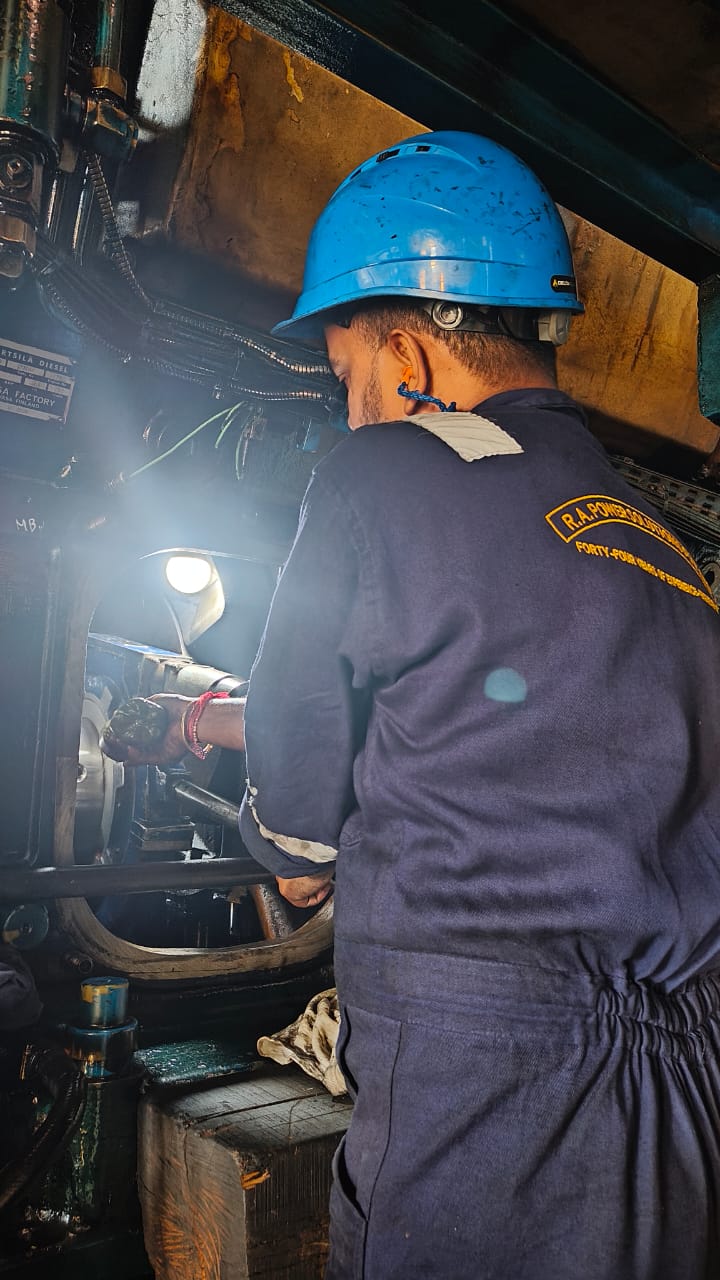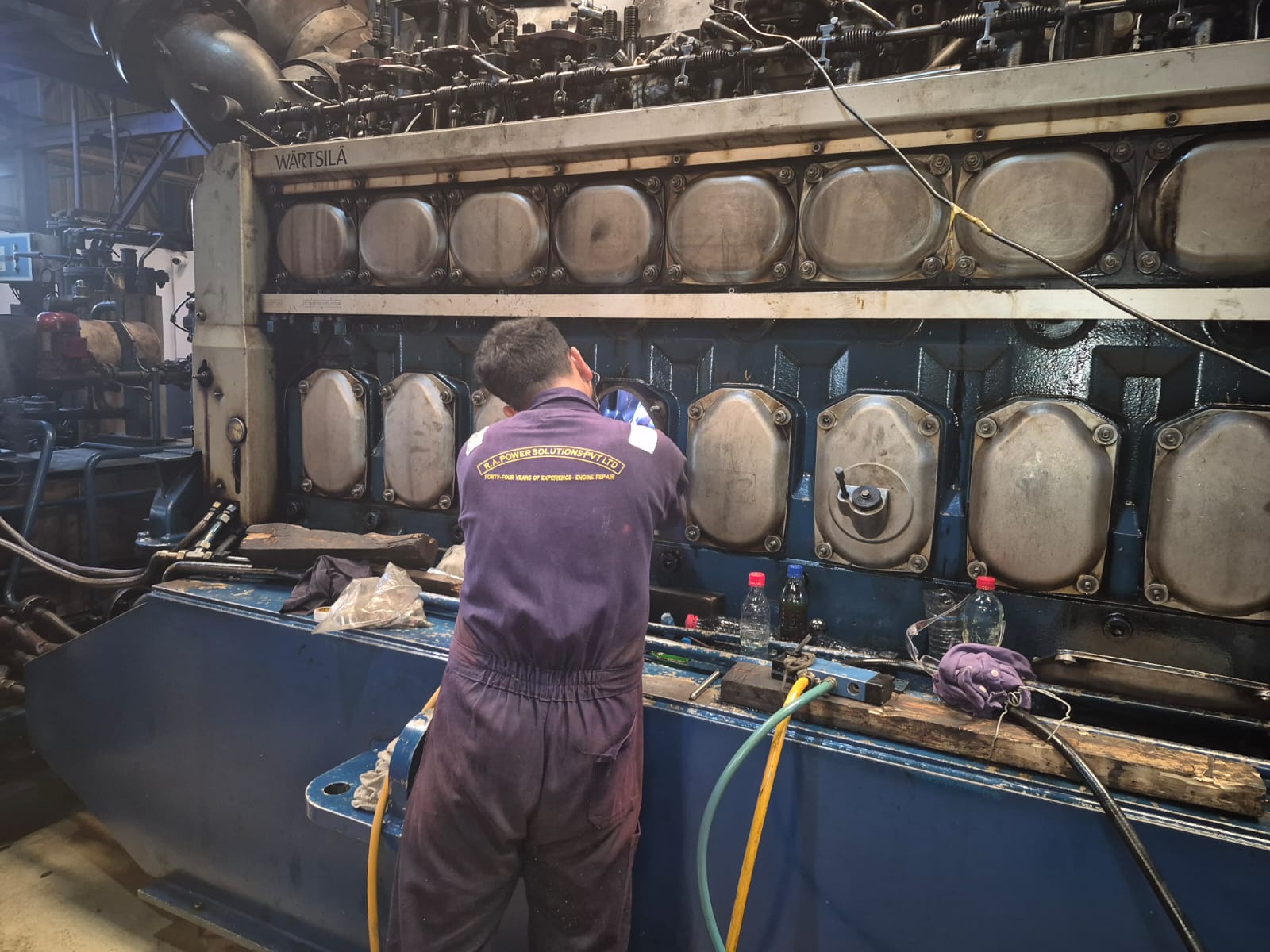
Marine engines face some of the most rigorous conditions, such as continuous operation, heavy loads, and exposure to harsh marine environments. The crankshaft, a critical component that converts reciprocating motion into rotational energy, is located at the heart of these engines. Crankshafts are highly susceptible to wear and damage over time as a result of constant stress and operational challenges.
It is imperative for ship owners, operators, and maintenance teams to understand the common causes of crankshaft damage in marine engines. The early detection of these issues not only prevents serious failures but also reduces repair costs and downtime.
The primary causes of crankshaft damage are as follows:
1. Lack of Lubrication
Protecting the crankshaft and its journals from excessive friction and heat is a critical function of lubrication. The oil film degrades when lubrication is inadequate or damaged, resulting in direct metal-to-metal contact. This leads to the crankshaft surface experiencing accelerated wear, scoring, and overheating.
Critical Concerns
- Inconsistent or inadequate oil pressure
- Lubricating oil that has been contaminated
- Replacement of oil with a delay
2. Engine Overloading and High RPM
The crankshaft is subjected to excessive stress when marine engines are operated beyond their recommended limits. Fatigue cracks, distortion, and even sudden crankshaft failure can result from continuous overloading or high RPM usage.
Common Causes
- Overloading of cargo
- Mishandling of the engine
- Extended periods of high-speed operation
3. Fuel Quality Issues
The quality of the fuel directly influences both the health of the crankshaft and overall engine performance. In particular, contaminated or low-grade fuel causes incomplete combustion; as a result, it leads to carbon deposits and creates irregular pressure on engine components.
Consequences
- Enhanced engine vibration
- Unbalanced load distribution
- Increased wear rate on the crankshaft
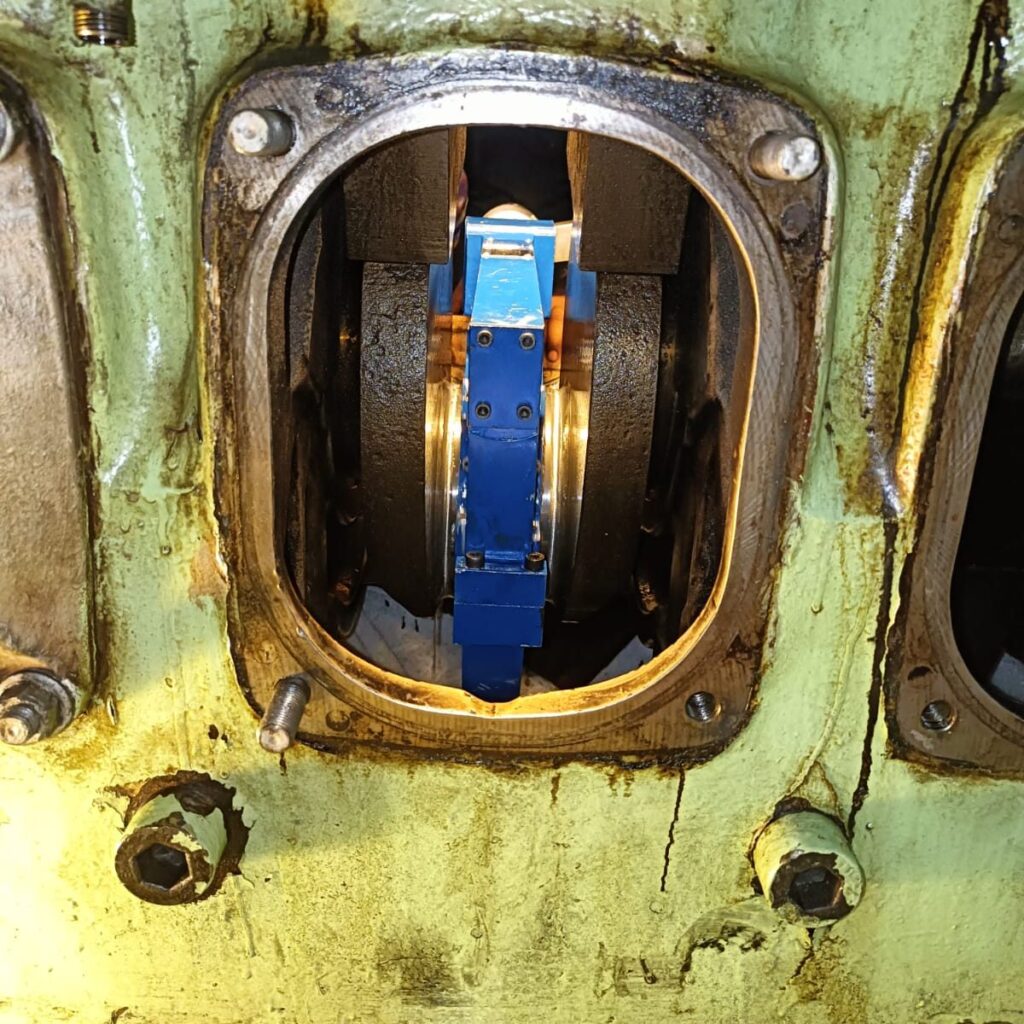
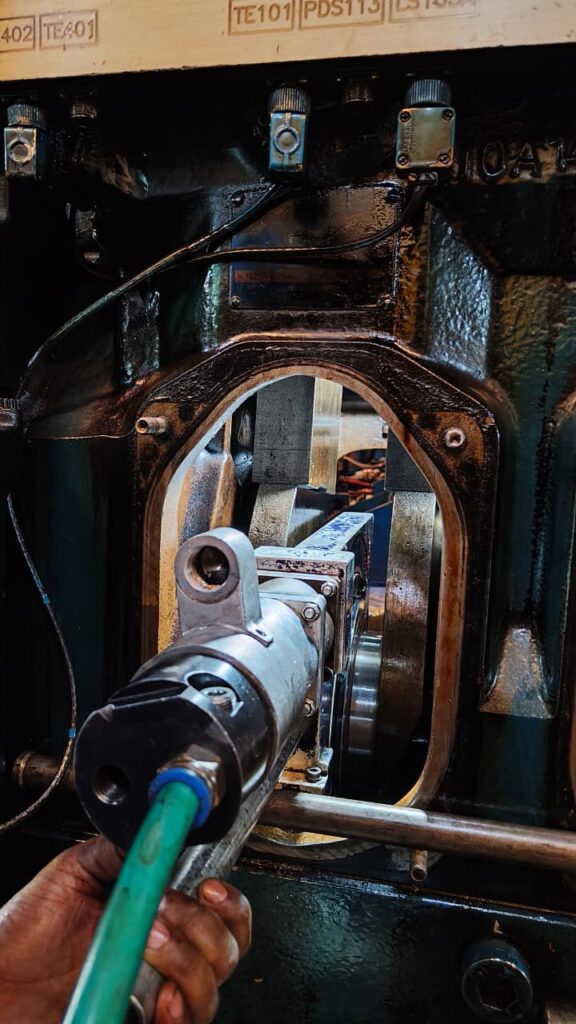
4. Engine Component Misalignment
Misalignment is a serious issue that can result from improper installation, foundation defects, or hull deformation. Even slight misalignment causes uneven loading on crankshaft journals; consequently, it leads to abnormal wear and long-term damage.
The Impacts
- Journal wear that is inconsistent
- Enhanced friction
- Crankshaft cracking risk
5. Bearing Failure
Bearings support the crankshaft and ensure smooth rotation. When wear, contamination, or incorrect clearances cause bearing failure, they directly damage the crankshaft surface.
Causes
- Oil contamination
- Improper installation
- Over time, fatigue develops.
6. Moisture and Corrosion Exposure
Marine environments expose engine components to corrosive conditions, humidity, and saltwater. When moisture enters the lubrication system, it causes rust, pitting, and weakens the crankshaft structure.
Risk Factors
- Inadequate sealing mechanisms
- Maintenance that is inconsistent
- Exposure to seawater
7. Imbalance and Excessive Vibration
Vibration often signals engine malfunctions. Continuous imbalance in rotating parts subjects the crankshaft to cyclic stress, eventually leading to fatigue cracks and failure.
Sources
- Rotating components that are unbalanced
- Engine components that are not securely fastened
- Inaccurate alignment
8. Inadequate Preventive Maintenance
One of the most prevalent causes of crankshaft damage is the neglect of routine maintenance. If not promptly resolved, minor vibrations or unusual noises can develop into severe complications.
Common Mistakes
- Disregarding early warning indicators
- Skipping routine inspections
- Servicing that is delayed
Crankshaft damage in marine engines often results from multiple interconnected factors; however, many of these can be prevented through proper maintenance and monitoring. By understanding these causes, operators can take proactive measures to enhance engine performance, extend service
In cases where damage has already occurred, advanced solutions, including in-situ crankshaft grinding, polishing, and onsite crankshaft repair services, offer a cost-effective and efficient alternative to dismantling. These methods suit marine vessels and power plants operating on strict schedules, as they minimize downtime and restore the crankshaft to its original condition.
With extensive experience in marine and power plant engineering, R A Power Solutions specializes in crankshaft repair, inspection, and in-situ machining services across the Gulf region, including UAE, Saudi Arabia, Qatar, Oman, and Kuwait. Moreover, our team is equipped with advanced portable equipment and precision instruments to carry out detailed crankshaft inspection, fault diagnosis, and onsite repair without the need for dismantling. We have successfully handled complex crankshaft damage cases onboard vessels and at power plants, delivering accurate measurements, alignment checks, and high-quality grinding and polishing services. Our strong presence in major Gulf ports ensures fast mobilization, minimal downtime, and reliable solutions tailored to demanding marine conditions. This combination of technical expertise, rapid response, and proven performance makes us a trusted partner for crankshaft repair and inspection services throughout the Middle East.
For any requirement related to crankshaft grinding, in situ crankshaft grinding, onsite crankpin polishing, damaged engine repair, or global crankpin repair services, feel free to reach out to us at:
Please email us at rajshahani@rapowersolutions.com, or info@rapowersolutions.com, or call us at +91 9582647131 or +91 9810012383.